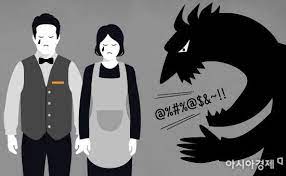
In Korean society, the concept of 갑질 refers to workplace bullying or power harassment, where a person in a position of authority (the "갑") abuses their power over a subordinate (the "을"). This behavior can take many forms, such as verbal abuse, physical violence, withholding resources, and discriminatory treatment. The culture of 갑질 is deeply ingrained in Korean society, stemming from Confucian ideals of hierarchy and respect for authority, and it can have severe negative consequences for individuals' mental health and well-being.
Cons:
- Creates a culture of fear: Victims of 갑질 may feel afraid to speak out or confront the perpetrator, leading to a culture of silence and acceptance. This can have serious negative effects on individuals' mental health and well-being.
- Undermines productivity: The negative effects of 갑질 on employees' morale and motivation can lead to decreased productivity and a high turnover rate.
- Contributes to inequality: The power dynamic of 갑질 reinforces the inequality that already exists in Korean society and workplaces, making it difficult for individuals to advance and achieve their full potential.
- Can lead to legal and financial consequences: In extreme cases, victims of 갑질 may take legal action against their perpetrator, leading to significant financial and reputational damage for the organization.
- Harms reputation: A workplace culture that allows 갑질 to occur can damage the organization's reputation and make it difficult to attract and retain talented employees.

Examples:
- A CEO who regularly screams at and belittles his employees, causing them to feel demoralized and fearful.
- A manager who consistently assigns menial and unpleasant tasks to an employee in order to assert their power.
- A senior employee who withholds important information and resources from a junior employee, making it difficult for them to do their job effectively.
- A supervisor who threatens to fire an employee for not complying with their demands, creating a culture of fear and intimidation.
- A company that routinely denies promotions and opportunities to employees who do not have the right connections or who do not conform to the company's cultural expectations.

Replaceable words in US:
In the United States, the concept of workplace bullying or power harassment is often referred to as "hostile workplace environment," "abusive conduct," or "workplace incivility." While the specific behaviors may differ from those found in Korean workplaces, the underlying power dynamic and negative impact on individuals' well-being is similar.

It's clear that the culture of 갑질 in Korean workplaces is a serious problem that needs to be addressed. It creates a toxic and unhealthy work environment, leading to a range of negative consequences for individuals and organizations alike. In order to confront and prevent 갑질, it's important for both individuals and organizations to prioritize respect, empathy, and open communication. It's also crucial to have systems in place for reporting and addressing instances of workplace bullying and harassment.
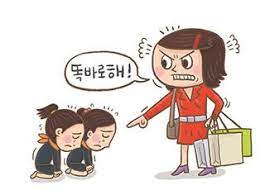
Overall, understanding and confronting the toxic culture of 갑질 is an important step towards creating healthier and more equitable workplaces in Korean society. By recognizing the harm that workplace bullying can cause and taking steps to prevent it, we can create a more positive and productive work environment for all.


